Pierre Castignola
Design studio

Netherlands based designer Pierre Castignola (France - 1995) graduated Cum Laude from the Design Academy in 2018. He aims to have a conceptual background in his work while focusing on a surprising, intriguing and surrealist outcome. His conceptual focus belongs in the perception of the world, with a strong fascination for semiotics and symbols to lead to a radical and critical design. He sets out to redefine the paradigm of creation and consumption.
In Copytopia, Pierre Castignola questions the benefits of the patent as part of the intellectual property system using one of the most recognizable objects of our time, the plastic garden armchair. Though nobody knows who originally created the ubiquitous design, numerous remakes of it are currently patented, sections of which Castignola has reassembled into one object to explore the ambiguous relationship between patent law and the freedom to create.
Pointing at the fact that the plethora of copyrights –mostly owned by big companies – monopolizes creation and controls innovation, castignola believes that imitation is part of human nature, and that designers should be able to work on and improve existing designs more freely. aimed at reclaiming freedom when copyright law starts to corrupt the creative process, Copytopia combines many different patented copies of the plastic garden chair into a final object. here, the designer is not seen as a shaper but as a selector, taking over someone else’s work and making it his own. A way to reclaim freedom to create when the system supposed to protect creators starts to limit them.
In Copytopia, Pierre Castignola questions the benefits of the patent as part of the intellectual property system using one of the most recognizable objects of our time, the plastic garden armchair. Though nobody knows who originally created the ubiquitous design, numerous remakes of it are currently patented, sections of which Castignola has reassembled into one object to explore the ambiguous relationship between patent law and the freedom to create.
Pointing at the fact that the plethora of copyrights –mostly owned by big companies – monopolizes creation and controls innovation, castignola believes that imitation is part of human nature, and that designers should be able to work on and improve existing designs more freely. aimed at reclaiming freedom when copyright law starts to corrupt the creative process, Copytopia combines many different patented copies of the plastic garden chair into a final object. here, the designer is not seen as a shaper but as a selector, taking over someone else’s work and making it his own. A way to reclaim freedom to create when the system supposed to protect creators starts to limit them.
-
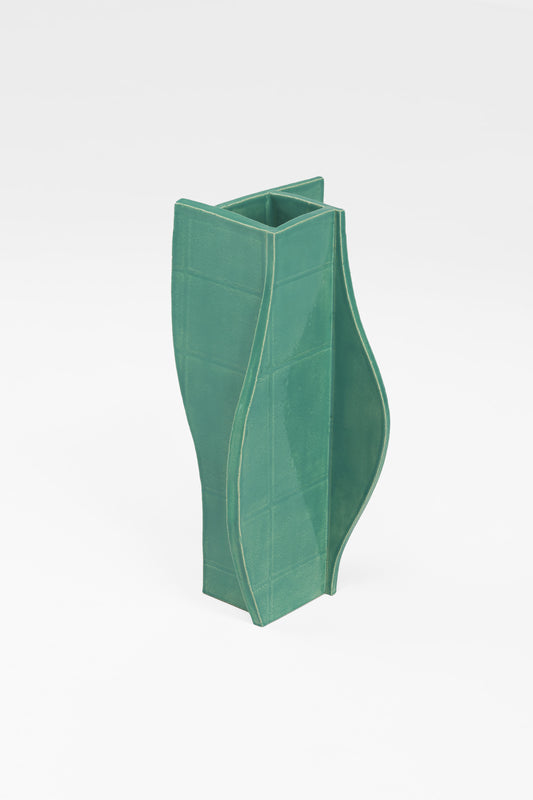
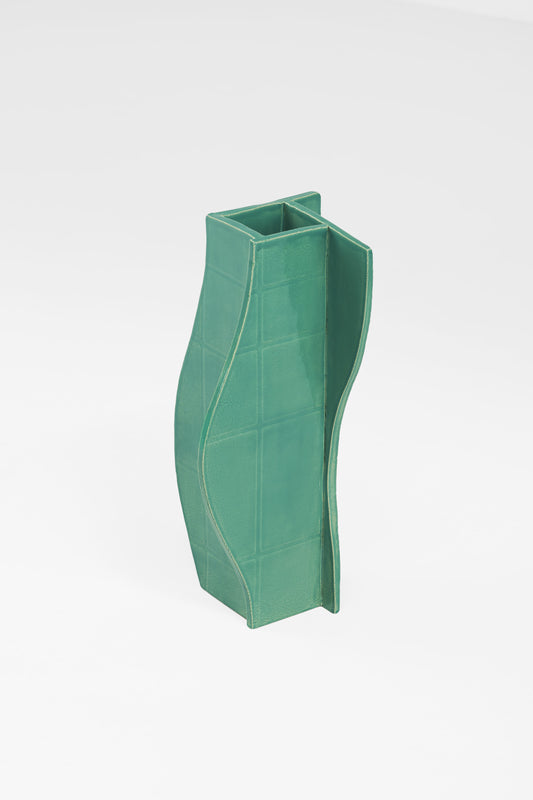
Simili Vase
Regular price €610Regular price -
Simili side table
Regular price €1.345Regular price -
Copytopia copy n°22
Regular price €1.840Regular price -
Copytopia stool
Regular price €980Regular price -
Inside-out picnic folding table
Regular price €7.320Regular price